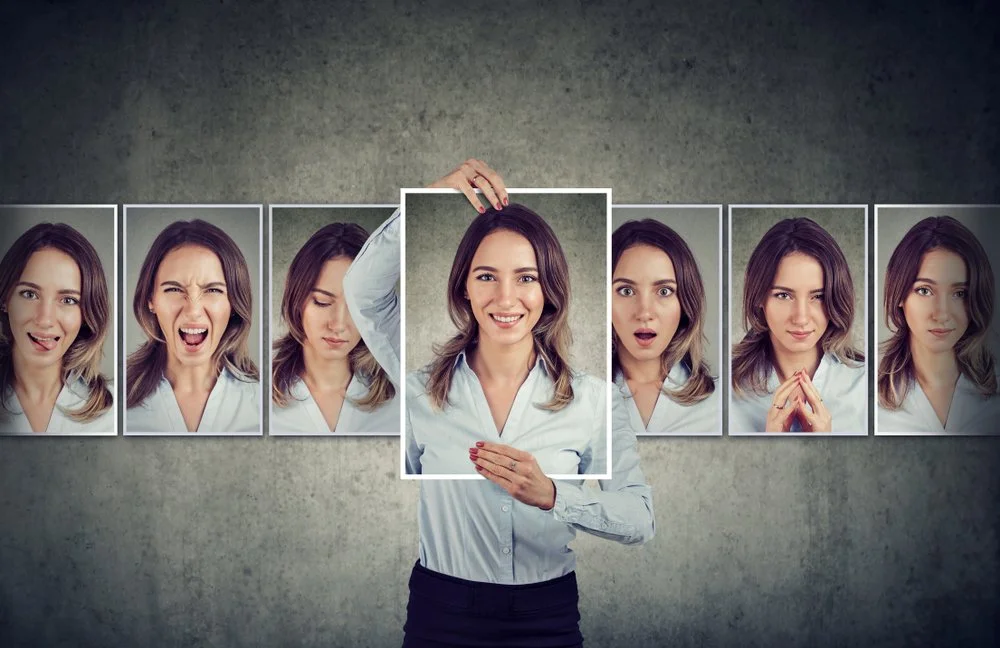
Seattle has a name for the thing that makes this city hard to actually get to know: the Seattle Freeze. Everyone's nice. Everyone smiles, holds the door, tells you they'd love to grab coffee sometime. Almost nobody actually follows up. The politeness is real. The warmth underneath it takes a lot longer to earn than it does in most cities, and everybody who's moved here from somewhere else eventually notices the gap.
Which makes it a little ironic that Seattle's professional class has spent the last few years building LinkedIn presences that are the exact opposite of the Freeze — warm, open, "always happy to connect," "let's grab a virtual coffee," posting like the friendliest person in tech. Online, everyone's suddenly easy to reach. In person, this is still the city where making an actual friend takes eighteen months. In 2026, that mismatch is exactly the kind of thing the data has started to catch up with.
Everyone From South Lake Union to Fremont Sounds the Same Now Doesn't matter if you're at a big tech campus in South Lake Union, a startup in Fremont, or a firm downtown near Pioneer Square — pull up ten LinkedIn profiles across ten different Seattle companies and the posts read almost identically. Same "lessons from shipping this feature" hook, same five-bullet takeaway, same headshot with Mount Rainier or the Sound blurred in the background. That's not coincidence. The overwhelming majority of what's posted on platforms like LinkedIn now reads like it came from the same handful of AI prompts, and a city this saturated with tech workers — the exact people with the easiest access to those tools — picked up the shortcut fast.
Which means the online warmth that used to differentiate a personal brand here — approachable, friendly, always down to connect — is now just background noise. Everyone's doing it. And a city that's famously slow to extend real warmth in person is now competing in a feed where fake warmth is free and everywhere. That's not a great combination.
The Freeze Was Always a Trust Filter, Not Just Standoffishness Here's the thing people miss about the Seattle Freeze: it's not really coldness. It's caution. This city has always made people prove they're going to stick around, follow through, actually be who they said they'd be, before it lets them in. That's a slower process than most cities run, and it gets a bad reputation for it — but it's also, structurally, exactly the instinct the 2026 trust data is validating everywhere else. Employers now check the overwhelming majority of candidates online before ever meeting them, and a strong share say what they find matters more than the résumé — but a genuinely vague, overly polished, or inconsistent online presence increasingly gets someone quietly passed over rather than hired.
Consumer research backs this up directly: people consistently say authenticity, not friendliness or polish, is what actually earns their trust. Seattle's instinct to withhold real trust until it's earned — the exact thing that makes this city hard to crack socially — is a decent filter for exactly the kind of manufactured, low-effort content flooding every feed right now. The Freeze was never really about being unfriendly. It was about not handing out trust for free. Turns out that's a good policy.
Rain Doesn't Care How Good Your Content Calendar Is There's a specific Seattle skepticism toward anything that looks too polished, too perfect, too much like it's trying. This is a city built on flannel and grunge as much as it's built on cloud computing — an old, real instinct here that distrusts a person who looks like they're performing confidence rather than just having it. That instinct maps directly onto what 2026's data is showing: content that reads as AI-generated, or generically over-produced, is measurably losing engagement and trust across platforms, and a real share of people say they now actively avoid anything that feels too polished to be genuine.
Seattle's cultural allergy to overt hustle-culture bravado — the eye-roll this city gives anyone who sounds like they're trying too hard to be impressive — is, unexpectedly, well-matched to a moment where trying too hard online is exactly what's tanking engagement everywhere else.
The One Thing You Can't Fake Over Coffee in Ballard Every tool that used to build a personal brand — the thought-leadership post, the polished headshot, the "here's what shipping this taught me" thread — can now get produced by AI in under a minute, close enough to indistinguishable that most people won't catch it. That used to be the differentiator. It isn't anymore, because it costs nothing and everyone's using it.
What's still scarce, even in a city full of easy online small talk: someone who's actually spent real time with you. A person who can say, over coffee in Ballard or at a happy hour in Capitol Hill, "I've actually worked with them, they're exactly who they say they are." That sentence still does more work here than a hundred friendly LinkedIn comments, because — like everything real in this city — it has to survive the Freeze first. It can't be generated by a prompt.
Call it the reputation gap: the space between the easy, approachable version of you online and the version a genuinely cautious stranger can verify by actually spending time with you. In a city this slow to extend real trust, that gap has quietly gotten enormous, because almost nobody's putting in the in-person time it takes to actually thaw it.
What This Actually Means Here A few things follow, and none of them ask Seattle to stop being Seattle.
Being known beats being seen — which the Freeze already selects for, once you get past it. A friendly feed gets you noticed. A person who's actually worked with you and vouches for you by name gets you trusted, which is the same mechanism behind referral hiring and warm outreach everywhere: referred candidates get hired at multiples of the rate cold applicants do, and warm contacts reply to outreach at several times the rate strangers do. Seattle's tight, loyal professional circles — once you're actually inside them — carry that kind of word of mouth reliably. The hard part here was always getting past the Freeze in the first place.
Specific and understated beats warm and generic. "Always happy to connect" means nothing in a city that's heard it a thousand times and still hasn't gotten coffee with most of them. A specific project, a specific result, a specific person willing to vouch for you — that's what actually thaws the Freeze faster than friendliness ever does.
Showing up thaws things faster than posting does. Every real conversation — at a meetup, an industry happy hour, a coffee that actually happens instead of getting rescheduled twice — is a real, unfakeable data point that either backs up your online presence or exposes it. In a city this slow to trust, those data points matter more than usual, because there's less competing goodwill to fall back on if the in-person version doesn't match the online one.
The Actual Seattle Take The rest of the internet's advice was: post more, sound friendlier, build the warm, approachable version of yourself online. Seattle's own culture has quietly known for years that warmth offered too easily doesn't mean much — real trust here has always had to be earned slowly, in person, past the Freeze.
Turns out that instinct was right the whole time. The reputation that holds up in 2026 isn't the one with the friendliest feed. It's the one that matches what people who've actually spent real time with you already know to be true.
NetworkNite runs the rooms where that actually happens across the city — real, structured, one-on-one conversations built for exactly the kind of in-person reputation a feed can't fake, and a much faster way through the Freeze than waiting for someone to actually follow up on "let's grab coffee sometime."